White glove delivery is a premium logistics service that provides specialized handling, professional assembly, and onsite installation for high-value or oversized goods. This solution ensures products are delivered to a specific room of choice while all packaging materials are removed, offering a seamless experience for both businesses and residential customers. By prioritizing expert care and precision, white glove delivery serves as a critical last-mile strategy for industries handling furniture, electronics, and delicate equipment.
Your high-value assets deserve more than a simple drop-off at the curb. For Tampa businesses, the final stage of the supply chain often becomes a liability when delicate equipment or luxury goods are handled with standard shipping protocols. A single scratch or a delayed installation can jeopardize client trust and erode your bottom line; consequently, the need for a more refined approach is paramount. White glove delivery transforms these logistical challenges into a seamless extension of your brand experience. In this guide, we will analyze the specific tiers of premium handling, ranging from threshold to full-service assembly. You will also discover how specialized local couriers help national carriers navigate the complexities of heavy, bulky logistics in the Tampa Bay area. Ultimately, we provide the practical criteria necessary to evaluate providers and maximize your return on investment.
What is White Glove Delivery and Why Does It Matter for Tampa Logistics?
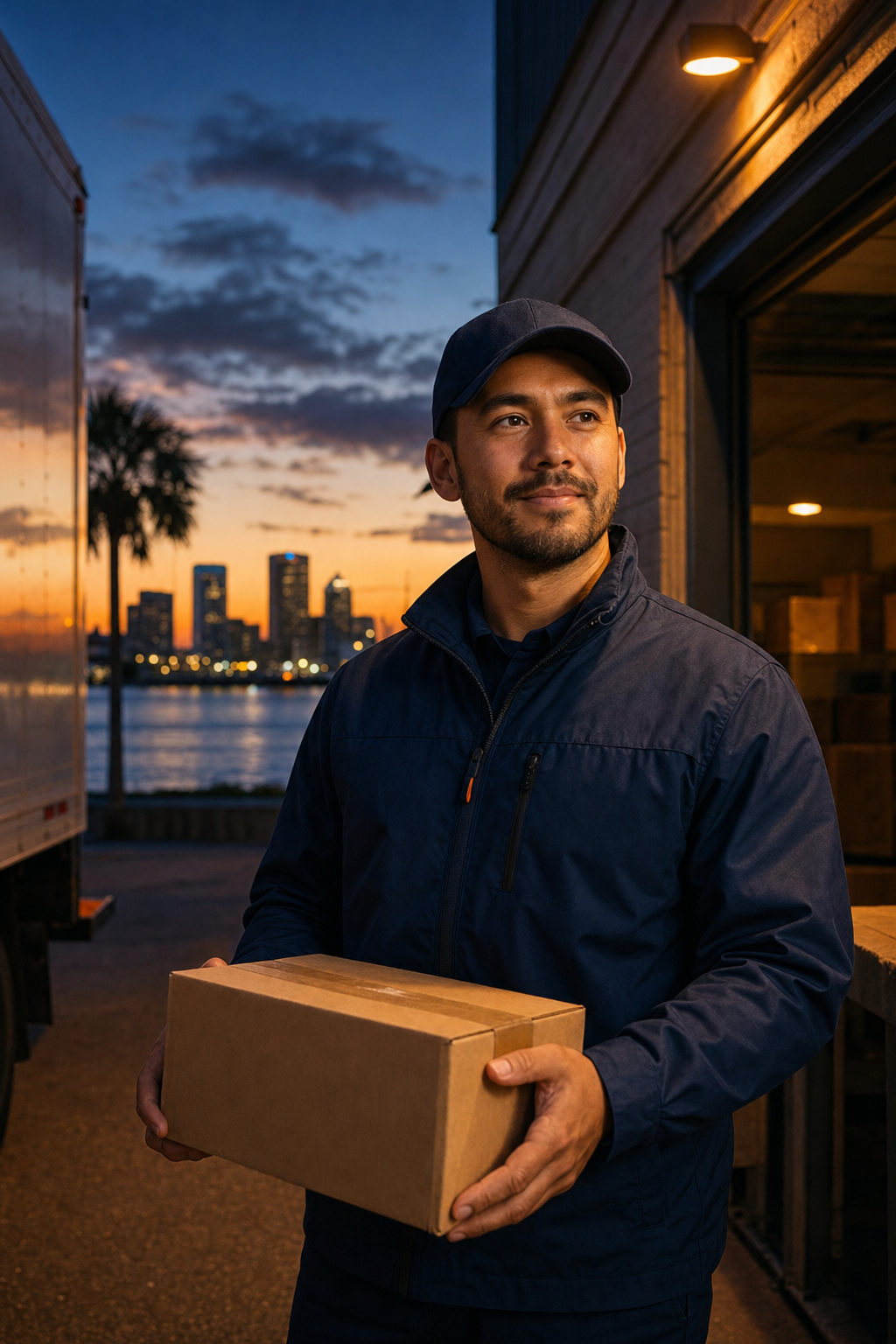
White glove delivery represents the highest echelon of logistics, moving past the limitations of traditional freight. While standard shipping models conclude at the curb or a loading dock, a white glove service extends the supply chain into the final room of use. This premium approach incorporates specialized handling, inside placement, professional assembly, and the removal of all packing materials. It ensures that high-value or complex items are not just delivered, but are fully functional and ready for immediate use.
In a rapidly evolving market like Tampa, this level of service is no longer a luxury but a requirement for operational success. The massive development in districts such as Water Street and the Westshore Business District has created a surge in demand for sophisticated logistics. Luxury residential high-rises and state-of-the-art medical facilities require more than a driver with a liftgate; they need professionals who can navigate freight elevators and handle sensitive equipment with precision.
Moment-Couriers focuses specifically on bridging the final gap in the supply chain. Many national carriers excel at moving freight across state lines, but they often lack the local infrastructure to manage the final few hundred feet of a delivery. By utilizing specialized last-mile delivery services, businesses can ensure that the final touchpoint with the customer reflects the quality of the brand itself. In an era where customer satisfaction is tied directly to the delivery experience, the ability to manage heavy, bulky, or fragile items through to the point of installation is what separates successful local distribution from a logistical bottleneck.
The Difference Between Curbside, Threshold, and White Glove Delivery

To effectively launch your last-mile strategy, logistics managers must distinguish between the three primary service levels that define the final delivery phase. Each level offers a different degree of involvement, cost structure, and customer experience. Understanding these tiers is essential for aligning delivery capabilities with the specific requirements of the product and the recipient.
Service Level | Delivery Point | Handling Scope | Ideal For |
|---|---|---|---|
Curbside | Sidewalk or driveway | Drop-off only; no inside access | Standard parcels, flat-pack kits |
Threshold | Just inside the front door | Placed in the first dry area | Mid-weight items, manageable boxes |
White Glove | Specific room of choice | Unpacking, assembly, debris removal | Luxury furniture, medical tech, heavy appliances |
Curbside delivery is the baseline, requiring the recipient to move the item into the building themselves. Threshold delivery improves upon this by bringing the shipment across the doorway, protecting it from Florida’s sudden weather shifts. However, for heavy and bulky freight, these options often fall short of professional standards. A 300 pound commercial refrigerator or an oversized sectional sofa left in a foyer is not a completed delivery; it is a logistical obstacle for the customer.
In the white glove delivery model, the provider assumes responsibility for the most difficult physical maneuvers. This includes navigating narrow hallways or climbing stairs to reach the precise room of choice. Beyond the physical placement, this service addresses the immediate aftermath of the delivery. Technicians remove heavy wooden crates, cardboard, and protective foam, leaving the site clean and the equipment ready for use. This is particularly vital for Tampa businesses where space is at a premium and disposing of industrial packaging is a significant burden for the end user. When calculating last-mile delivery costs, companies must weigh the price of the service against the risk of property damage or customer injury that occurs when heavy items are left for the recipient to manage.
Navigating Heavy and Bulky Last Mile Logistics in the Tampa Bay Area

The physical landscape of Tampa presents unique obstacles for heavy and bulky distribution. In high-density districts like Channelside or the Water Street corridor, navigating luxury high-rise apartment complexes requires more than just a liftgate. Delivery teams must coordinate with building management to secure freight elevator access and manage tight loading zones where parking is strictly enforced. Moving a solid oak dining table or a commercial-grade fitness machine through narrow service corridors requires a level of precision that standard freight carriers often cannot provide.
Environmental conditions in the Tampa Bay area further complicate the transit of sensitive or oversized goods. The intense Florida humidity can affect wood finishes and electronic components, while the sudden, torrential afternoon thunderstorms pose a constant threat to unprotected cargo. A curbside drop-off during a typical summer downpour can result in a total loss for furniture or high-value appliances. Professional white glove delivery ensures that items move directly from a climate-controlled vehicle to the final interior destination without exposure to the elements, preserving the integrity of the product.
Demographic factors also play a critical role in local logistics. Tampa is home to numerous retirement communities where residents often require room of choice placement for heavy furniture or specialized medical beds. For an aging population, the physical burden of moving a heavy delivery from the threshold to a bedroom is often impossible. Providing a complete end-to-end service allows these customers to maintain their independence while ensuring that heavy installations are performed safely. This localized expertise is a core component of how specialized last-mile delivery services add value to the broader supply chain in West Central Florida.
Key Industries That Rely on Premium Handling
While residential needs are significant, several commercial sectors in the Tampa Bay area rely on premium handling to maintain their operational standards. High-end furniture retailers, particularly those serving the luxury developments in Hyde Park or Westshore, view delivery as an extension of the showroom experience. These pieces often arrive in complex, oversized packaging that requires immediate removal. A standard courier might leave a mahogany dining set in a box; however, premium handling ensures the item is assembled, inspected for defects, and positioned precisely where the interior designer intended.
The healthcare sector, anchored by institutions like Tampa General Hospital and specialty clinics throughout the USF Health network, requires even more technical rigor. Medical devices are highly sensitive to vibration and orientation. Delivering a new diagnostic machine or a specialized hospital bed requires technicians who understand how to navigate sterile environments and can manage the immediate disposal of industrial debris. In these settings, leaving wooden crates in a hallway is a safety violation, not just an inconvenience.
High-tech appliance retailers also drive the need for specialized last-mile delivery services. Modern smart-home units and commercial-grade kitchen equipment often require basic calibration or precise leveling that goes beyond a simple drop-off. By ensuring every component is functional and all packaging is hauled away, local providers help businesses close the loop on high-value transactions, ensuring the customer experience remains seamless from the initial purchase to the final installation.
How Local Couriers Support National Logistics Carriers
Ensuring a seamless customer experience often requires a strategic partnership between national logistics giants and regional specialists. While national carriers excel at the middle mile, moving massive volumes across state lines and through regional hubs, their infrastructure is rarely optimized for the specific nuances of Tampa’s zip codes. When a shipment reaches a local terminal, the challenge shifts from long-haul efficiency to the precision required for specialized final placement. This is the point where Moment-Couriers acts as the essential local arm, bridging the gap between a high-volume freight network and the front door of a business or residence.
By integrating local last-mile delivery services, national firms can offer premium options without the overhead of maintaining a specialized fleet in every market. Our independent contractors provide a level of geographic intelligence that national routing algorithms often overlook. They understand the real-time traffic shifts on the Howard Frankland Bridge and the specific delivery protocols of gated communities in areas like Westchase or FishHawk Ranch. These local experts are equipped to provide the high-touch white glove delivery that high-value shipments require, ensuring that the final physical interaction with the recipient maintains the standards established throughout the supply chain. This synergy allows national carriers to fulfill complex service level agreements while relying on local specialists to manage the physical demands of heavy and bulky distribution.
Understanding White Glove Delivery Cost and ROI
Determining the financial feasibility of premium service requires a clear view of the variables involved. Unlike flat-rate parcel shipping, last-mile delivery costs for heavy goods are calculated based on the specific physical demands of the job. Weight and dimensions are the baseline, but the complexity of the delivery site significantly impacts the final quote. Factors such as the number of stair flights, the requirement for multi-person crews, and the time needed for technical assembly or debris removal are all priced as line items. Additionally, many Tampa retailers incorporate haul away services for old appliances or furniture, which adds a layer of disposal and recycling management to the logistics chain.
Viewing white glove delivery solely as an expense ignores the significant return on investment found in risk mitigation. Industry data indicates that a failed parcel delivery costs a retailer approximately $17.20 on average. However, for heavy and bulky items, the stakes are exponentially higher. A damaged commercial appliance or high-end sofa can result in thousands of dollars in lost inventory and shipping fees, not to mention the administrative burden of claims. For a business operating in the high-stakes Westshore or Water Street markets, the white glove model acts as an insurance policy for brand reputation. By ensuring a perfect first-time installation, companies eliminate the hidden costs of returns and build the customer trust necessary for long-term retention.
Questions to Ask Before Hiring a White Glove Provider in Florida
Selecting a logistics partner requires a rigorous vetting process to ensure they can manage the unique physical and environmental demands of the Tampa market. When evaluating potential last-mile delivery services, use the following checklist to verify their operational standards:
Do they carry specific liability insurance for inside-home assembly? Standard cargo insurance often fails to cover property damage that occurs during the installation of heavy items.
Is debris removal and old unit haul-away included? A premium white glove delivery should leave the site clean and ready for immediate use.
Are the contractors local to the Tampa Bay area? Local experts possess the necessary knowledge of parking constraints in Channelside and the gate protocols of surrounding residential communities.
Do they offer real-time tracking for heavy and bulky freight? Coordination is vital when recipients must be present for complex setups.
Prioritizing these specific criteria ensures that the provider acts as a professional extension of your business rather than just a courier. By focusing on these standards, companies can mitigate the risks associated with last-mile delivery costs while maintaining high customer satisfaction.
White glove delivery provides the precision and care necessary to elevate the customer experience for Tampa businesses. By focusing on specialized handling and professional installation, you ensure that every high-value shipment arrives in perfect condition. If you want expert help streamlining your premium logistics, feel free to read more on our About page to see how we prioritize service quality. Partnering with a dedicated team allows you to focus on growth while we handle the final mile with total excellence.