
Proof of delivery is a formal confirmation that a shipment has been successfully received, utilizing signatures, photographs, or GPS timestamps to verify completion. This process helps businesses prevent disputes and improve last mile logistics by providing indisputable evidence of a successful drop-off. Modern systems often utilize electronic proof of delivery software to capture real-time data, ensuring transparency and accountability throughout the entire shipping cycle.
Every Tampa business owner knows the sinking feeling of an 'Item Not Received' claim when they are certain the delivery was successful. These disputes drain resources and erode customer trust. A reliable Proof of Delivery system is no longer a luxury; it is the indispensable backbone of professional last mile logistics. Without it, your operations are vulnerable to fraud and human error. In this guide, we explore the shift from archaic paper logs to sophisticated electronic Proof of Delivery (ePOD). You will learn how to capture high quality photo evidence, leverage GPS geofencing for location verification, and use visual data to neutralize damage claims. By mastering these protocols, you can safeguard your bottom line and ensure every delivery concludes with absolute certainty.
What Counts as Proof of Delivery in the Modern Last Mile?
Proof of delivery is the definitive record that a delivery service was successfully completed. While the term sounds straightforward, business owners often conflate it with other shipping documents. Unlike a proof of shipment, which only confirms a package has left a warehouse, or a bill of lading, which serves as a contract of carriage and title document, the proof of delivery is evidence of the final transfer of custody to the customer. It marks the precise moment a logistics provider fulfills their obligation.
For a local retailer or a carrier, a robust POD must include several critical data points to be considered valid in the modern last mile. At a minimum, it requires the recipient’s name or signature, a precise date and time stamp, and GPS coordinates that pin the location of the drop-off. Furthermore, it should document the specific condition of the parcel at the time of arrival. Capturing these details ensures that the courier was physically present at the correct address and that the item was received in good order.
For Tampa businesses, this documentation serves as the essential bridge between a completed sale and a satisfied customer. Without it, the final stage of the supply chain remains a vulnerability. Implementing efficient last-mile delivery services that prioritize detailed record-keeping protects your bottom line against claims of non-receipt. Securing a reliable courier partnership translates these data points into operational transparency, helping companies manage their Tampa last-mile delivery cost by reducing the labor spent on manual tracking and dispute resolution.
The Evolution from Paper Tickets to Electronic Proof of Delivery (ePOD)
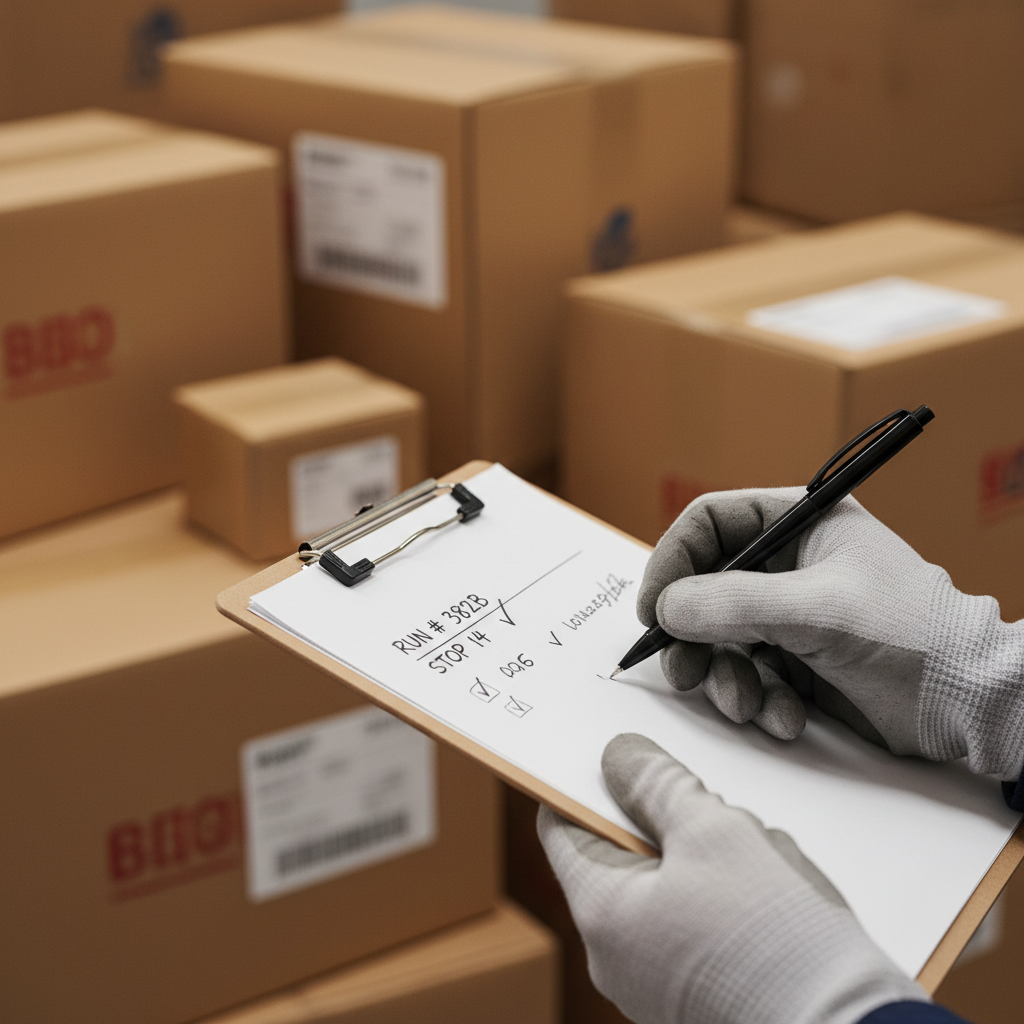
The transition from physical paper slips to electronic proof of delivery (ePOD) represents a significant leap in operational efficiency. While some legacy operations still rely on carbon-copy dockets, the hidden costs of paper are substantial. A single lost slip or a signature obscured by illegible handwriting can stall a payment cycle for weeks. For a high-volume carrier or a local shop, these manual errors do more than just create paperwork; they directly hinder cash flow by delaying the invoicing process.
In contrast, modern ePOD systems utilize mobile devices to capture signatures, photos, and GPS coordinates in real time. This digital confirmation triggers an immediate notification to the sender, allowing accounting departments to process invoices the same day the service is rendered. Beyond speed, the digital nature of these records offers long-term utility. Unlike filing cabinets filled with fading thermal paper, electronic records are instantly searchable. For Tampa retailers, having a cloud-based archive of every delivery is invaluable during tax season or unexpected audits, as it provides a clear, timestamped trail of every transaction. Moving toward a digital standard reduces the friction of the last mile and helps manage Tampa last-mile delivery cost by eliminating the administrative labor required to chase down lost documents.
Capturing Perfect Photo Proof of Delivery: Best Practices for Couriers
Transitioning to digital systems is the first step, but the quality of the data captured is what determines if a claim stands or falls. For contactless drop-offs, photo proof of delivery serves as the visual anchor of the transaction. However, a common mistake couriers make is providing a close-up photo of a generic brown box against a blank wall. This is weak evidence because it lacks context; the box could be on any porch in the city. To qualify as a valid record, the image must provide undeniable proof of location and placement.
Best practices for capturing professional photo POD include:
Include the address: Whenever possible, frame the shot so the house number or unit digits are visible alongside the package.
Use local landmarks: In dense or architecturally distinct areas, showing the package in relation to a recognizable feature provides extra security. For a delivery to a storefront in Ybor City, capturing the unique brickwork or signage helps. In Hyde Park, the specific styling of a historic porch or a unique front door serves as a secondary identifier.
Demonstrate safe placement: The photo should confirm the package was left in a secure spot, tucked away from street view to minimize the risk of theft.
By standardizing these visual requirements, businesses ensure that their records are more than just a formality. High-quality imagery helps justify the investment in efficient last-mile delivery services by providing a clear, indisputable trail for every order. It also builds trust with the recipient, who can see exactly where their item was placed. Establishing these protocols within a reliable courier partnership reduces the ambiguity that often leads to customer service inquiries, ultimately protecting the vendor and the driver from claims that an item was never actually left at the door.
Using GPS and Geofencing to Verify Delivery Locations
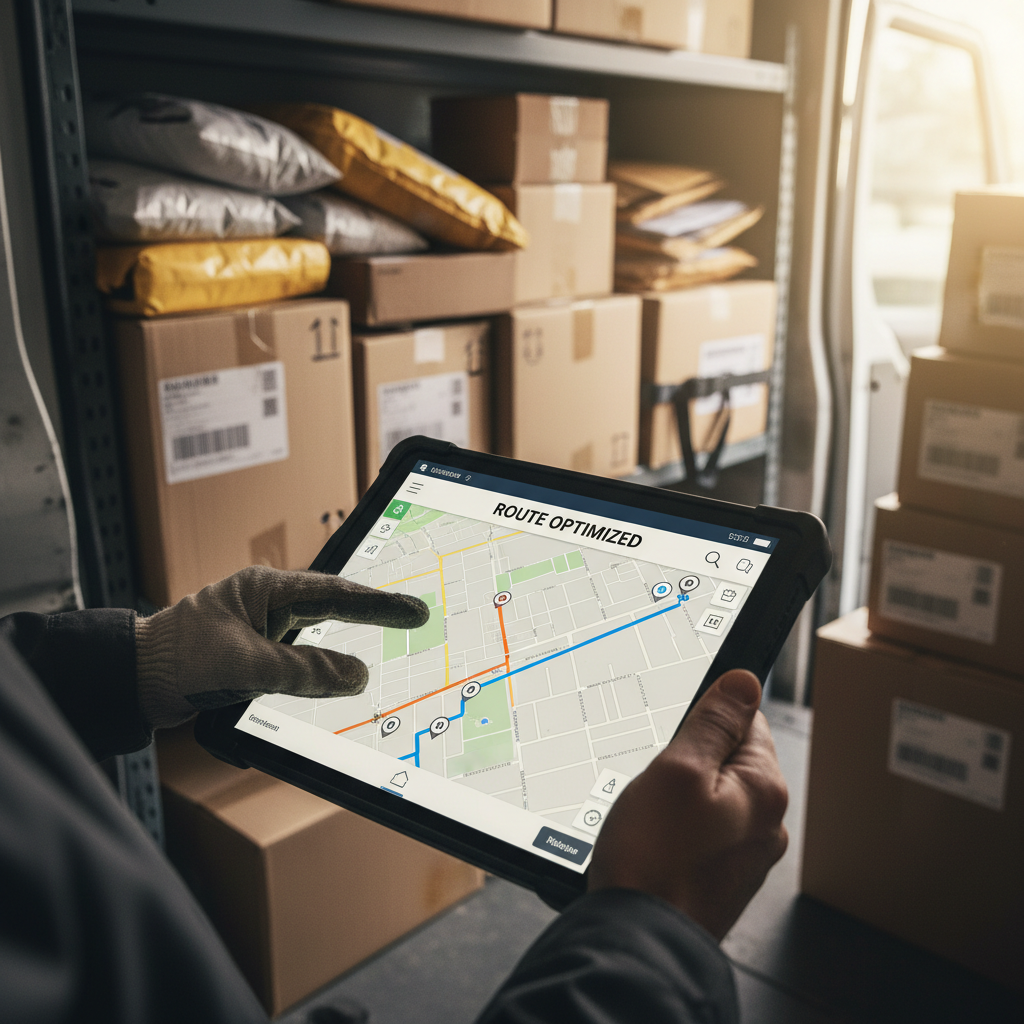
While photos provide visual context, the technical backbone of modern proof of delivery relies on precise spatial data. When a driver performs a final scan at the doorstep, the delivery software automatically logs the exact GPS coordinates of the mobile device. This timestamped longitude and latitude data creates a permanent record, proving the courier was physically present at the destination address. This level of technical transparency is essential for carriers who need to verify performance without manual oversight.
Beyond simple logging, advanced logistics platforms utilize geofencing to maintain strict quality control. A geofence is a virtual perimeter established around the destination coordinates. If a driver attempts to mark a parcel as delivered while outside this predefined radius, the system prevents the status update. This safeguard ensures that false deliveries or accidental scans several blocks away are virtually eliminated. For local businesses, this tech-forward approach ensures that every efficient last-mile delivery service is backed by hard data rather than just intuition. Integrating these protocols within a reliable courier partnership gives owners peace of mind, knowing that the delivered notification is triggered by physical proximity. It provides an objective layer of accountability that complements photo evidence, ensuring the final gap in the supply chain is closed accurately.
Protecting Your Business from 'Never Arrived' and Item Not Received Disputes
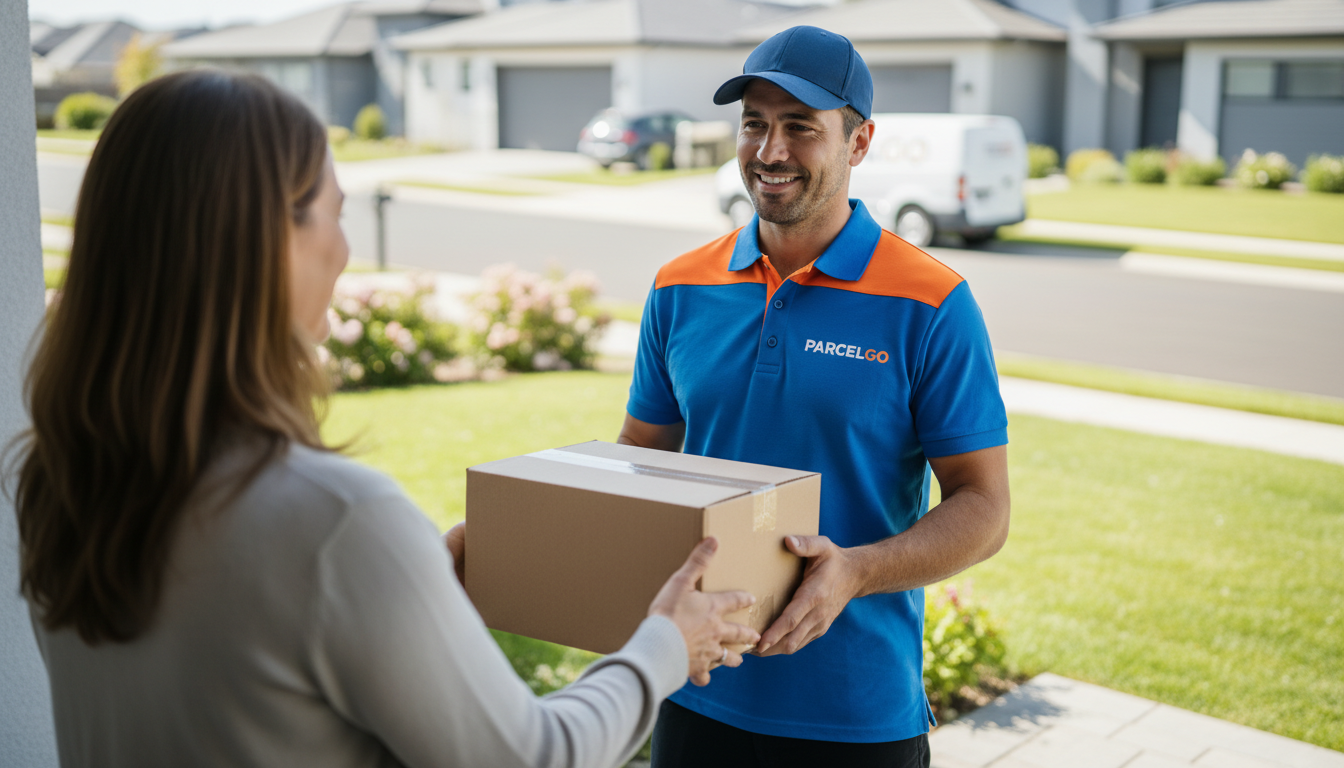
For small businesses and logistics carriers in Florida, the financial toll of Item Not Received (INR) claims can quickly erode profit margins. These disputes, often categorized as friendly fraud, occur when a customer reports a missing package to their bank or payment processor despite a successful drop-off. Without robust documentation, the merchant typically loses the chargeback, forfeiting both the cost of the goods and the shipping expenses. This vulnerability is especially high during peak retail seasons when delivery volumes surge and porch piracy reports increase.
Standardized proof of delivery provides the specific evidentiary trail needed to win these disputes. When a customer initiates a claim, payment processors require objective data to overturn the chargeback. The combination of high-resolution, timestamped photos and precise GPS coordinates serves as a definitive counter-argument. To effectively challenge a claim, businesses should compile a evidence package including the order number, the courier's digital log showing the geofence entry, and a photo that clearly shows the item at the correct residence.
Presenting this data to insurance providers or merchant banks moves the conversation from a subjective disagreement to a factual verification of service. Utilizing efficient last-mile delivery services that automate this data collection ensures that your defense is ready the moment a dispute arises. For Tampa retailers, this level of preparation is a critical component of risk management. A reliable courier partnership acts as a front-line defense, providing the transparency required to protect the bottom line from fraudulent claims and recurring delivery losses. By treating every delivery as a potential legal record, companies can stabilize their operations and focus on growth rather than dispute resolution.
Managing Damaged Package Claims with Visual Evidence
While GPS data protects against missing parcels, visual documentation is the primary defense against claims of physical damage. When a customer argues an item arrived broken, a clear photo taken at the moment of drop-off provides an objective record of the package state. For Tampa businesses dealing in fragile goods, such as local floral arrangements or temperature-sensitive catering orders, this step is non-negotiable. Couriers should capture multiple angles to show that a bouquet is upright and intact or that catering trays are properly sealed and level at the point of handover.
Maintaining a clear chain of custody also requires documenting exceptions as soon as they occur. If a package arrives at the courier hub with a pre-existing dent or a torn seal, the driver must photograph the flaw before loading the vehicle. This immediate logging ensures that a reliable courier partnership operates on total transparency. By flagging these issues early, the local business can decide whether to replace the item before it ever reaches the doorstep, preventing a negative customer experience. Integrating these exception reports into your efficient last-mile delivery services ensures that all parties, from the warehouse manager to the final recipient, are looking at the same set of facts. This standardized use of proof of delivery eliminates the ambiguity that often leads to costly replacement shipments or strained vendor relationships.