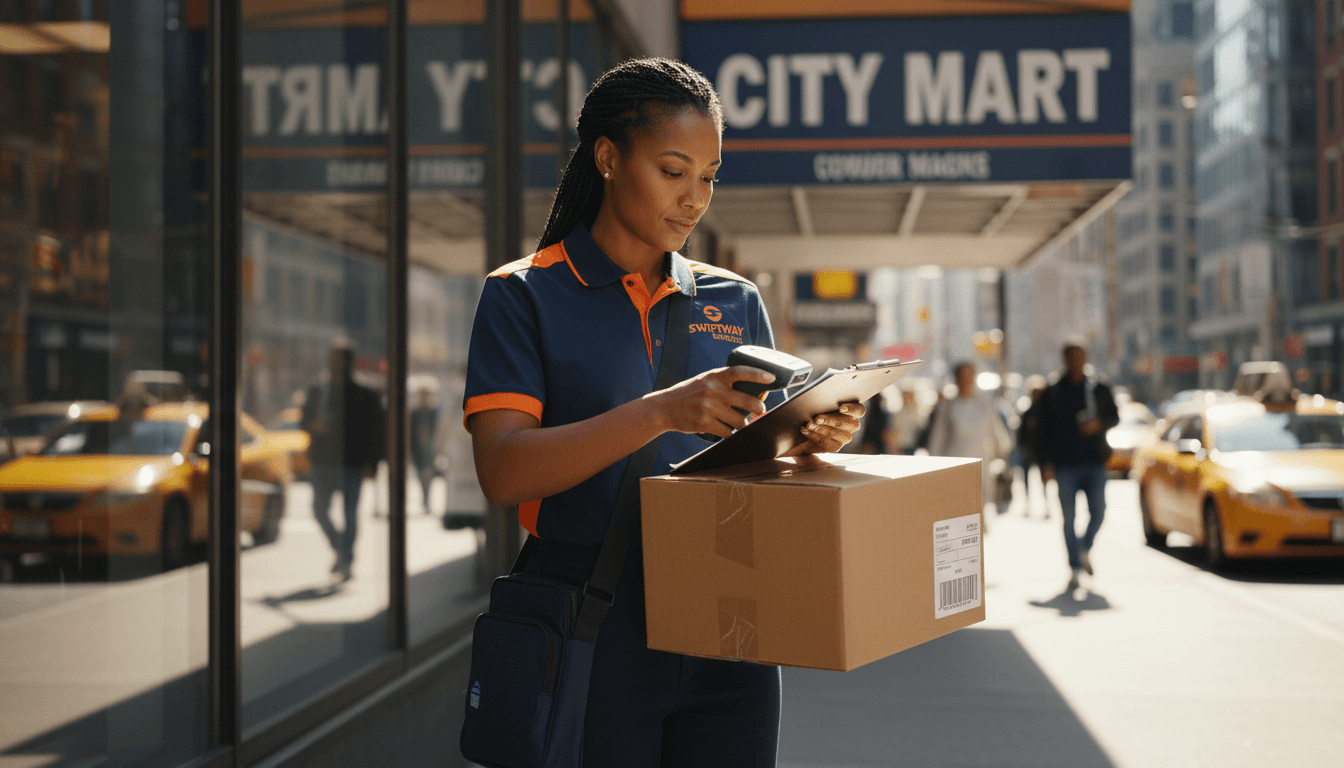
A last mile carrier is a logistics provider responsible for the final stage of the delivery process, which involves moving goods from a local distribution center directly to the customer's doorstep. Understanding what is a last mile carrier helps businesses optimize the speed and efficiency of their local shipping operations; these providers are essential for completing the final leg of the supply chain.
For most Tampa businesses, the most stressful moment in a shipment lifecycle occurs just a few miles from the final destination. Whether you are managing high-value medical supplies or critical retail inventory, the final leg of the journey is where delays typically mount and customer satisfaction hangs in the balance. This specific phase is the last mile, and it represents the most expensive and complex segment of the modern supply chain. Understanding the role of a last mile carrier is essential for any professional looking to optimize logistics and protect their brand reputation. In this guide, we will clarify the functional differences between local carriers and standard couriers. You will also discover the five step process that defines elite delivery services and learn why local expertise is the vital link for successful regional operations. By the end, you will know exactly how to leverage these partners to streamline your Florida logistics.
Last Mile Carrier Meaning and the Role in Modern Logistics
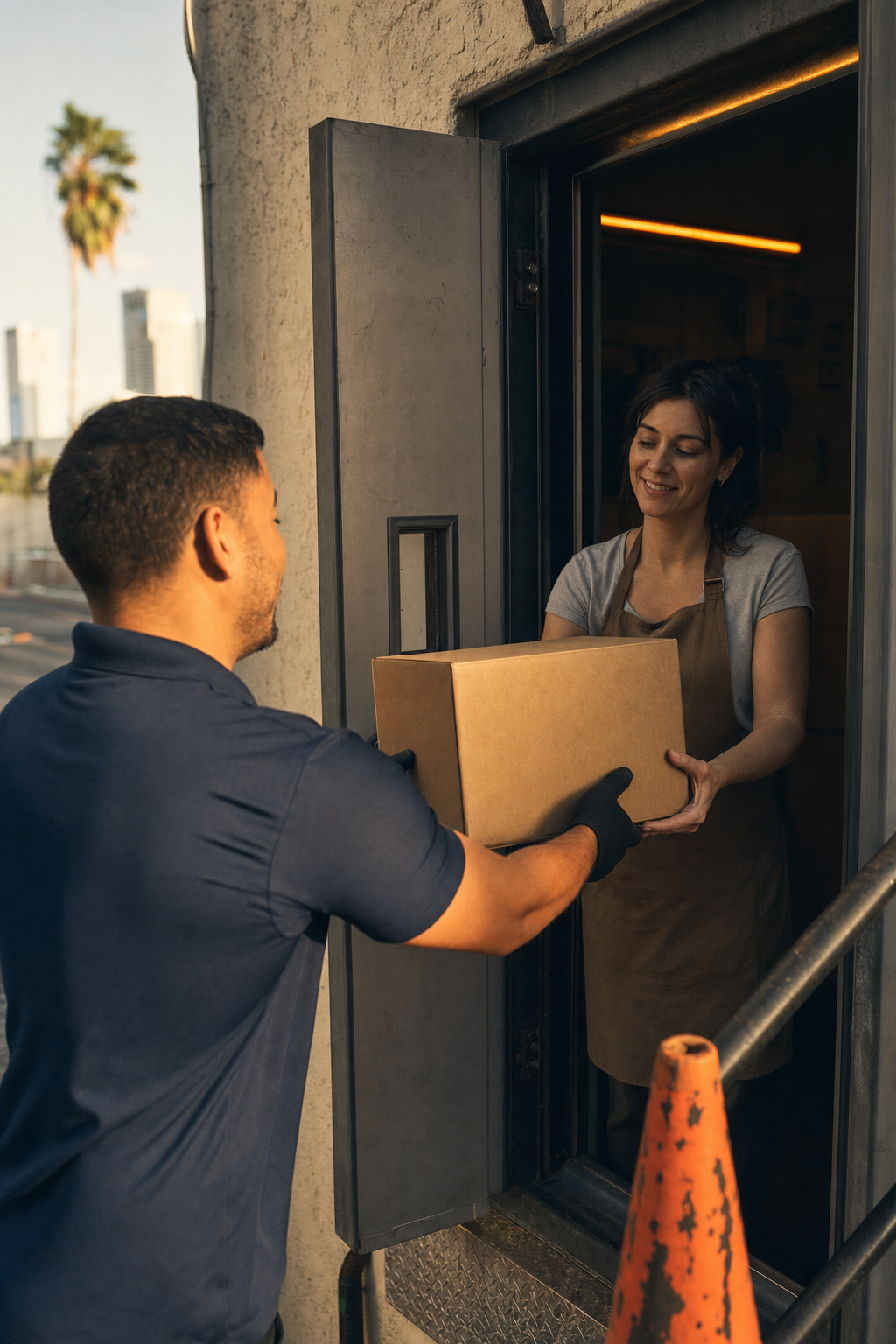
When defining what is a last mile carrier, it is important to understand their role as the final link in the supply chain. Often referred to as a final mile carrier, this service provider is responsible for the movement of goods from a local or regional transportation hub to the final delivery destination, which is usually a residence or a place of business. While this leg of the journey is geographically the shortest, it carries the highest stakes for both the shipper and the recipient.
Logistics experts recognize this stage as the most critical for customer satisfaction. It is the moment when the promise of a delivery is fulfilled. However, it is also the most inefficient part of the process. Industry statistics show that the last mile accounts for roughly 53 percent of total shipping costs. These expenses are driven by the complexities of navigating residential neighborhoods, managing multiple stops, and dealing with urban congestion.
Moment-Couriers operates within this specialized niche as a local Tampa provider. By utilizing professional independent contractors, the company bridges the final gap in the supply chain to ensure reliable distribution throughout the community. For businesses needing to streamline their local presence, last mile delivery services in Tampa offer the agility required to meet modern consumer expectations. If you are looking to scale your operations, you can contact our logistics team to discuss how our Last-Mile Launch program supports efficient final mile execution.
Last Mile Carrier vs Courier: Understanding the Practical Difference

The distinction between a carrier and a courier is often blurred, yet understanding the nuance is vital for businesses optimizing their supply chains. A carrier generally refers to a large scale organization that manages a vast network of aircraft, long haul trucks, and sorting facilities; these entities excel at moving massive volumes between major hubs across states or countries. However, because their systems are built for standardized efficiency, they often lack the agility to handle non-standard requests or hyper-local speed requirements. Identifying what is a last mile carrier versus a national network involves looking at where the control of the package shifts from a macro logistics system to a local execution specialist.
In contrast, a last mile courier acts as a specialized, neighborhood level partner. While a national carrier moves the package from a regional warehouse to a local sorting hub, the courier is the final driver navigating the streets of Tampa to reach the recipient. Couriers prioritize flexibility and speed, often offering same day or on demand services that larger networks cannot easily replicate. For a Tampa based retailer or medical facility, the courier is the provider that handles the specific logistics of getting a time sensitive item through local traffic.
Feature | National Carrier | Last Mile Courier |
|---|---|---|
Primary Focus | Hub-to-hub volume and regional sorting | Hyper-local delivery and final customer contact |
Speed | 1 to 5 days depending on zone | Same-day, next-day, or scheduled windows |
Item Handling | Standardized parcels and boxes | Flexible; handles bulky, fragile, or high-value items |
Flexibility | Rigid routes and cut-off times | High; adaptable to real-time local changes |
Moment-Couriers functions as this agile partner, utilizing independent contractors who know the local terrain. This model allows for specialized handling, such as transporting bulky items that might be cost-prohibitive or physically difficult for a national network to process. For those looking to integrate these advantages into their operations, our Last-Mile Launch provides a framework for scaling local delivery. If your business needs to move beyond standardized shipping, you can contact our logistics team to explore how our last mile delivery services in Tampa bridge the gap between regional hubs and your customers doorsteps.
How Last Mile Delivery Carriers Work with National Logistics Providers
The relationship between national logistics networks and local providers is one of mutual necessity. National carriers excel at the middle mile, which involves moving millions of parcels through interstate air hubs and massive sorting facilities. However, when these shipments reach their destination city, the logistics become granular. A national provider might drop off high-volume loads at a regional cross-dock or local hub in Tampa, where a specialized provider like Moment-Couriers takes over. This hand-off is designed to solve the complexity of the final leg, ensuring that high-density residential areas or congested business districts receive their packages without delaying the national carrier's wider network.
A common question arises regarding the United States Postal Service and their role when businesses ask what is a last mile carrier. While the USPS is indeed a last mile carrier, they often function as a partner to other national networks through specific contract programs. In other scenarios, when national volume exceeds a carrier's local capacity or requires specialized handling, they rely on agile providers to bridge the gap. This partnership ensures that an "Out for Delivery" status actually translates to a completed drop-off within the expected window rather than a delivery exception.
For local operations, this synergy means faster transit times. When a national carrier hands off volume to a local partner, it often bypasses the bottleneck of a central sorting facility that might be located far from the target neighborhood. Through our last mile delivery services in Tampa, we facilitate this final transition by deploying independent contractors who possess deep familiarity with local routes. If your operation needs a partner to manage these specialized hand-offs, you can contact our logistics team to learn about our Last-Mile Launch program and how it integrates with larger logistics frameworks.
Why Tampa Businesses Need a Local Final Mile Partner
Efficiency in the final leg of the journey depends heavily on local geography. In the Tampa Bay area, the logistical landscape is defined by the high traffic volume on I-275 and the frequent delays along the I-4 corridor. National providers often struggle with these variables because their drivers operate on rigid, high volume schedules dictated by regional sorting hubs that may be located miles away from the city center. A local partner avoids these bottlenecks by deploying independent contractors who understand how to navigate the specific gridlock of the Westshore District or the narrow residential streets of Hyde Park and Ybor City.
For businesses like medical offices or specialized retailers, this local expertise translates to reduced lead times and greater reliability. When a shipment sits in a massive sorting facility outside the immediate area, the customer sees a generic tracking update that offers little actionable information. However, using last mile delivery services in Tampa ensures that the inventory is physically closer to the destination before the final dispatch occurs. This proximity minimizes the risk of a package being delayed by interstate traffic patterns that national carriers cannot easily bypass.
When evaluating what is a last mile carrier for a Florida based operation, the primary metric should be local responsiveness. A local provider offers real-time visibility that distant carriers cannot match, allowing businesses to provide their customers with precise delivery windows. To streamline your local distribution and bypass the common delays associated with larger networks, you can contact our logistics team to discuss how our Last-Mile Launch program addresses these regional challenges through a dedicated network of local contractors.
The 5 Step Process of a Last Mile Delivery Service

The operational mechanics of a final mile operation determine how effectively a provider manages the high costs and logistical complexity of the final leg. Understanding the sequence of events helps clarify what is a last mile carrier in a practical, day to day sense. The process typically follows five defined stages:
Order Entry: Data integration occurs when a shipment is logged into the management system. This ensures the carrier has all delivery details, special instructions, and customer contact information before the physical package arrives.
Arrival at the Local Hub: Goods are received at a centralized facility within the Tampa market. Here, items are sorted by zip code or neighborhood density to optimize route efficiency.
Dispatching to Contractors: Moment-Couriers utilizes a network of professional independent contractors during this stage. This model allows for rapid scaling, particularly during peak seasons in Florida when demand spikes due to holiday shopping or regional business cycles.
Scanning and ‘Out for Delivery’: Drivers scan each item as it is loaded into the delivery vehicle. This triggers a real time status update in the tracking system, providing transparency to the end recipient.
Final Drop-off and POD: The courier completes the delivery and captures Proof of Delivery (POD). This typically involves a photo or a digital signature, ensuring the chain of custody is closed securely.
By leveraging agile last mile delivery services in Tampa, businesses can navigate these steps without the overhead of a fixed fleet. If you need a scalable solution for seasonal volume, our Last-Mile Launch program provides the necessary infrastructure. You can contact our logistics team to learn more about how these operational steps integrate with your existing supply chain.
What to Expect When You Hire a Last Mile Carrier in Tampa
Transitioning from understanding the five step process to selecting a partner requires a focus on quality benchmarks that impact your bottom line. When evaluating what is a last mile carrier that suits your specific business model, the most critical factor is the elimination of the "blind handoff." This occurs when a parcel leaves a national sorting network and the tracking data becomes vague or frozen. A professional Tampa provider prevents this by offering continuous visibility, ensuring that the package never disappears into a black hole of generic status updates.
Reliability in the Tampa market also depends on the professional standard of the independent contractors performing the work. Because these drivers represent the final point of contact for your customer, their professional appearance and conduct are vital. You should expect specific delivery windows rather than broad, all day estimates. This precision is especially important for last mile delivery services in Tampa that cater to professional offices or high density residential areas where access is restricted.
Service Standard | Expected Feature | Business Benefit |
|---|---|---|
Tracking Accuracy | Real-time GPS or milestone scanning | Fewer customer service inquiries |
Local Expertise | Deep knowledge of Tampa neighborhoods | Reduced delays from traffic and roadwork |
Specialized Care | White-glove or threshold delivery options | Safe transport for fragile or bulky items |
Contractor Quality | Vetted and professional local drivers | Enhanced brand reputation at the doorstep |
Local expertise is the final piece of the puzzle. A carrier must demonstrate an understanding of local geography beyond just GPS coordinates, such as knowing the specific loading dock requirements in the Westshore District or gate protocols in gated communities. If you are looking for a partner that combines this local knowledge with technical transparency, you can contact our logistics team to learn how our Last-Mile Launch program supports your specific distribution needs.