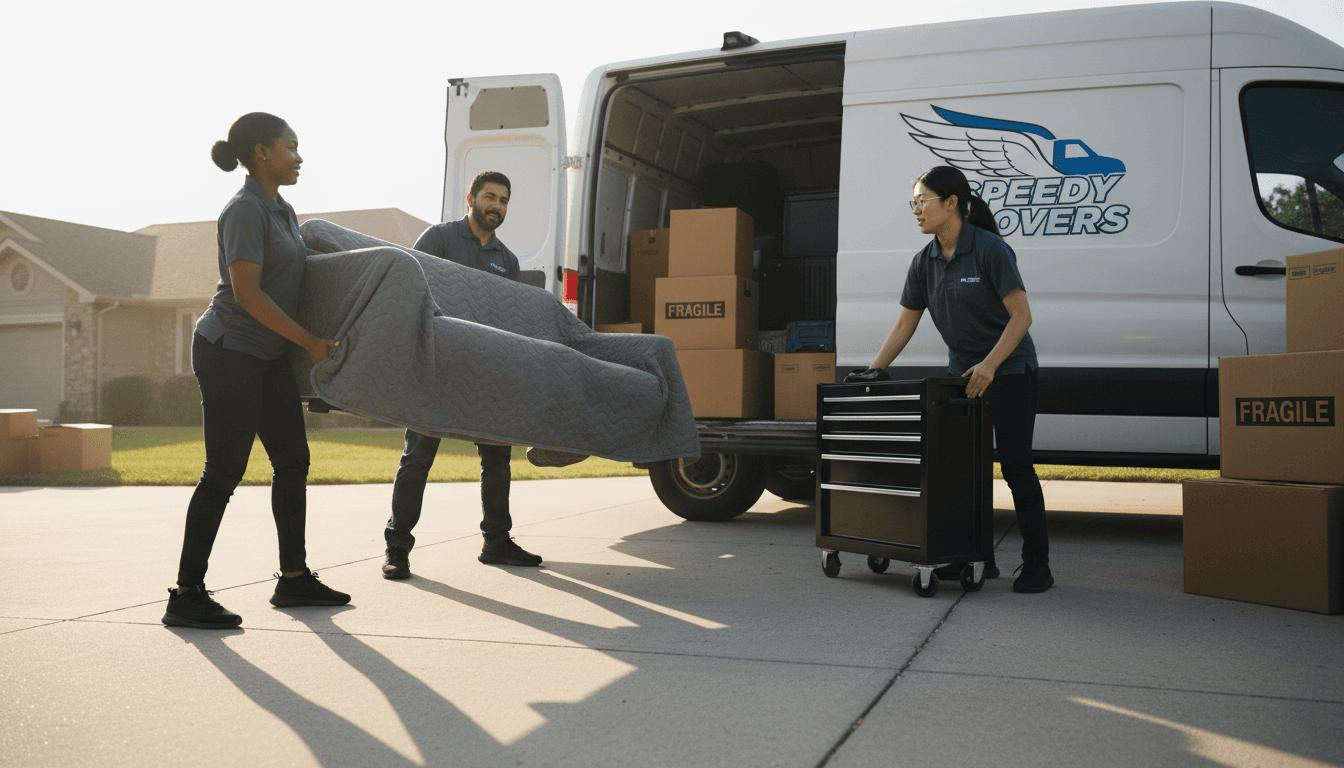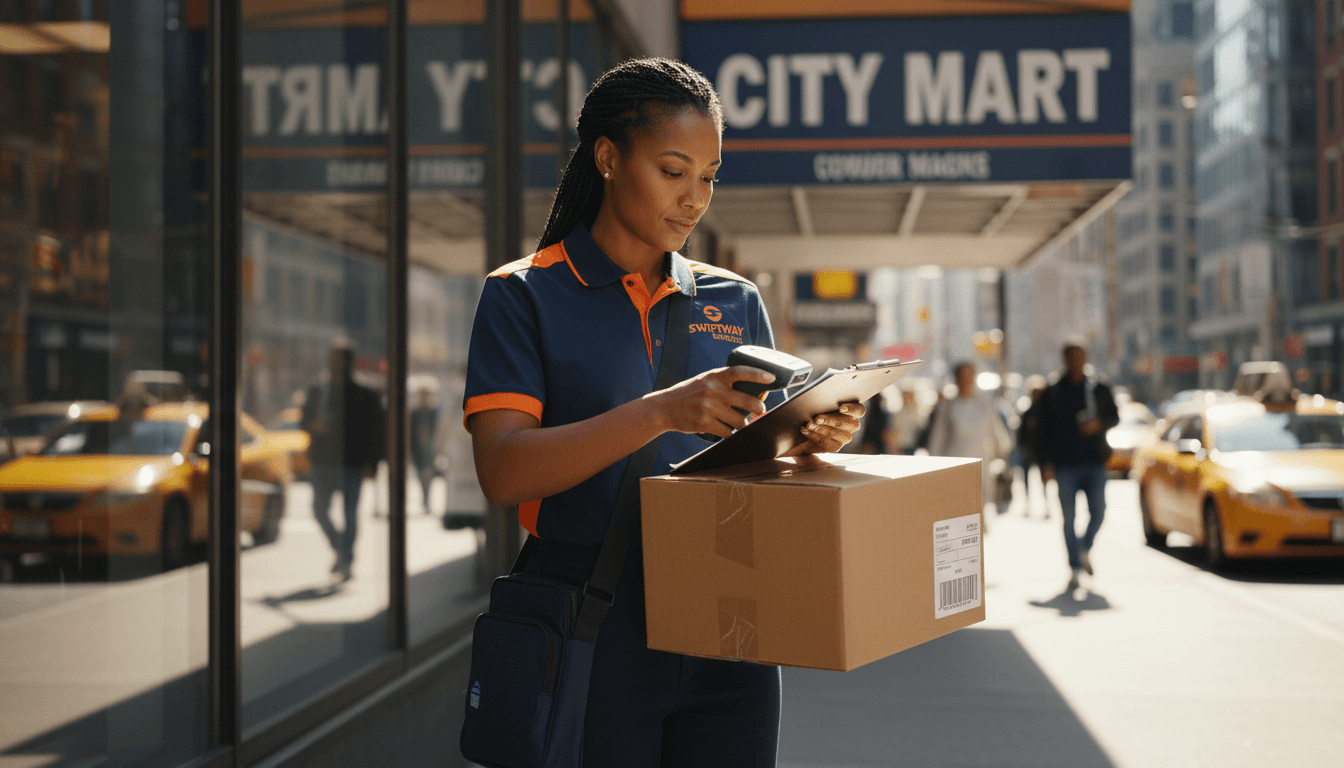
Local businesses in Tampa should select last mile delivery services based on a provider's reliability, cost effectiveness, and regional expertise. Utilizing local couriers often results in faster transit times and more scalable solutions compared to national carriers. A successful choice balances the benefits of third party logistics with the need for professional, consistent customer experiences during the final leg of the supply chain.
Your shipment has traveled thousands of miles across oceans and interstates without a hitch, yet it currently sits idling in a warehouse just twenty minutes from your customer’s doorstep. For Tampa businesses, the final stretch of the supply chain is frequently the most volatile, expensive, and critical phase of the entire operation. A single delay on the Howard Frankland Bridge or a missed delivery window can instantly erode months of customer trust. This guide addresses the complexities of last mile logistics within our unique regional landscape. You will learn how to vet potential partners through a targeted checklist, why local expertise consistently outperforms national giants, and how to balance speed with cost efficiency. Whether you are a small business owner or a logistics carrier, these insights will help you master the final mile and secure your competitive edge in the Tampa Bay market.
What are Last Mile Delivery Services and Why Do They Matter in Tampa?
In the logistics world, long-haul trucking moves high volumes of goods across state lines, but those shipments eventually reach a standstill at regional distribution centers. Last mile delivery services represent the critical final movement from these local hubs to their ultimate destination, be it a commercial storefront in Ybor City or a residential doorstep in Westchase. While the macro-logistics of freight focus on interstate efficiency, the last mile is defined by local precision and navigation of the specific urban landscape in Tampa.
What happens during last mile delivery? This process is broken down into three essential phases: sorting, routing, and the final hand-off. First, goods arriving at a local hub are sorted into specific routes based on zip code and delivery density. Second, drivers must optimize their routing to account for local variables like drawbridge schedules or the unique traffic patterns around Dale Mabry Highway. Finally, the hand-off occurs when the delivery professional physically places the item with the recipient, capturing necessary proof of delivery and representing the brand at the door.
For logistics carriers and local businesses, this final leg is often the most complex and expensive part of the journey. Utilizing efficient last mile delivery services ensures that the speed gained during long-haul transport is not lost in local traffic. To help regional partners scale these operations, our Last-Mile Launch program offers a framework for consistent service. If your operation requires specialized local knowledge to navigate gated communities or narrow downtown loading zones, contact our Tampa team to discuss your specific requirements.
Essential Questions for Tampa Small Businesses to Ask a Courier

Transitioning from an in-house delivery model to a professional partner is a significant milestone for a growing company. While managing your own van might work initially, scaling requires efficient last mile delivery services that can handle the specific logistical hurdles of the Tampa Bay area. When vetting a potential partner, generic questions about speed are less important than understanding their local operational expertise.
Small business owners should prioritize these specific inquiries to ensure their brand reputation remains intact during the final hand-off:
How do you manage delivery windows during peak I-4 and Howard Frankland Bridge congestion? A reliable partner must have a strategy for the "Malfunction Junction" traffic that defines Tampa afternoons, ensuring that a delay on the interstate does not result in a missed window for a customer in Brandon.
What is your protocol for gated community access in neighborhoods like Westchase or New Tampa? Drivers often encounter security kiosks or complex keypad systems. You need a partner whose contractors are experienced in navigating these barriers without causing delays or returning items as undeliverable.
How do you handle difficult loading zones in high-density areas like Ybor City or downtown Tampa? Between narrow alleys and limited curb space, professionality is tested when a driver must find a legal, safe way to offload goods without disrupting local traffic or damaging the product.
What specific proof of delivery (POD) do you provide? Modern standards require more than a verbal confirmation. Ask for real-time photo documentation and GPS-stamped digital signatures to prevent disputes and provide peace of mind to your customers.
Reliability in the last mile is built on the professionality of the person at the door. Unlike anonymous gig-economy apps where driver consistency is low, a dedicated regional provider ensures that the delivery professional reflects your company’s values. If you are preparing to move away from DIY logistics, our Last-Mile Launch program provides the structure needed for a seamless transition. To discuss how we can support your specific neighborhood routes, contact our Tampa team for a detailed service overview.
Vetting a Last Mile Partner: A Guide for Logistics Carriers

Logistics managers overseeing national or regional accounts often view the final leg as the most volatile part of the supply chain. The primary downsides of last mile logistics involve high operational unpredictability, specifically regarding driver reliability and equipment failure. When a dedicated vehicle breaks down on the Selmon Expressway or a driver fails to show for a shift, the carrier bears the reputational cost. A specialized subcontractor mitigates these risks by managing a pool of pre-vetted independent contractors and maintaining backup capacity that national fleets often lack at the local level.
To ensure a partnership enhances rather than hinders your operations, logistics managers should evaluate potential partners based on rigorous operational standards:
What are the specific vetting criteria for your independent contractors? Inquire about background checks, motor vehicle record reviews, and past performance metrics. The goal is to ensure the personnel representing your brand meet the same safety and professionality standards as your own long-haul teams.
What is the extent of your insurance coverage for cargo and liability? Verify that the partner carries sufficient general liability and cargo insurance that aligns with your master service agreements to avoid gaps in protection.
How does your operation scale during Florida’s seasonal peaks? Tampa experiences significant fluctuations in delivery volume during the winter months and holiday seasons. Your partner must demonstrate the ability to activate additional capacity without sacrificing service levels or increasing lead times.
By integrating efficient last mile delivery services into your regional network, you transfer the burden of local fleet management to experts who understand the Tampa market. Programs like our Last-Mile Launch program are designed to help carriers integrate these local assets quickly and reliably. For a detailed discussion on our insurance certificates or contractor vetting processes, contact our Tampa team to review our compliance documentation.
How Long Does Last Mile Delivery Take in the Tampa Bay Area?
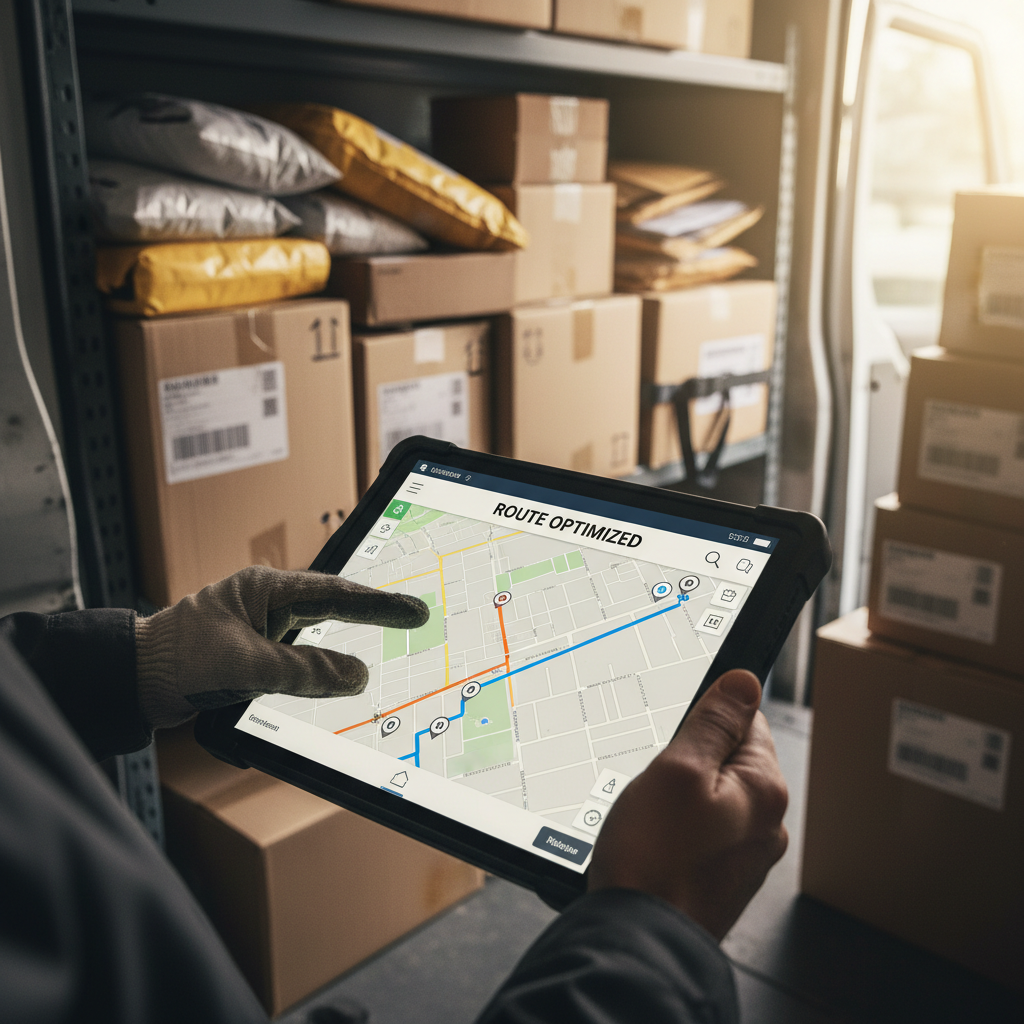
The timeline for the final leg of a shipment depends on several local factors, but the primary question remains: how long does last mile delivery take? In the Tampa Bay area, same-day delivery typically occurs within a two to six hour window, while standard next-day services are completed by the end of the following business day.
Several variables influence these durations. Proximity to the Port of Tampa or the distribution clusters along the I-75 corridor significantly impacts transit times. Delivery density also matters; a driver can clear ten residential drops in a concentrated New Tampa subdivision faster than three commercial deliveries in the congested streets of downtown. Time of day is equally critical, as windows scheduled during the afternoon rush will naturally experience higher latency than mid morning routes.
Local couriers gain a speed advantage by bypassing the rigid infrastructure of national carriers. While a major carrier might transport a package from a Tampa warehouse to a regional sorting hub in Orlando before returning it to a local driver, a regional partner facilitates direct movement. This eliminates unnecessary transit miles and reduces the risk of hub delays. For businesses aiming to tighten their fulfillment windows, the Last-Mile Launch program offers strategies to optimize these timelines. To get a precise estimate for your specific route density and volume, contact our Tampa team to discuss efficient last mile delivery services tailored to your logistics needs.
The Local Advantage: Why Regional Carriers Outperform National Giants
National carriers rely on rigid algorithms and massive sortation hubs that often ignore the nuances of Tampa's geography. A regional partner operates with local intelligence, understanding that a shortcut through Himes Avenue can save twenty minutes when Dale Mabry Highway is at a standstill. This expertise extends to the physical destination. Local contractors are familiar with the specific loading dock requirements of medical centers in North Tampa or the narrow access points for historic businesses in Ybor City. By leveraging this granular knowledge, efficient last mile delivery services avoid the common pitfalls that cause national fleets to miss their windows.
Beyond navigation, the structural relationship between the courier and the driver significantly impacts service quality. Many national gig-economy platforms suffer from driver ghosting because the work is treated as a commodity with zero accountability. In contrast, regional carriers prioritize dignified work by partnering with local independent contractors who have a vested interest in the Tampa community. These professionals are not just moving boxes; they are representing your business at the final point of contact. This model fosters a higher level of reliability, ensuring that items are handled with care rather than being left in unsafe locations by a transient workforce.
When a logistics operation integrates the Last-Mile Launch program, they gain access to a network that values effort and consistency. This structure allows for effortless engagement and personalized support that national customer service lines cannot match. If your current provider struggles with consistency during heavy traffic or seasonal surges, you should contact our Tampa team to experience the difference that local expertise makes in the final leg of the supply chain.
Budgeting for Delivery: Beyond the Lowest Price
Logistics managers and business owners often make the mistake of selecting a provider based solely on the lowest per-stop rate. However, a truly economical delivery solution accounts for the total cost of fulfillment, which includes the heavy financial burden of missed windows, redelivery fees, and damaged inventory. If a carrier offers a rock-bottom price but lacks local accountability, the hidden costs of customer churn and administrative overhead quickly erode any initial savings.
When evaluating efficient last mile delivery services, look for value-added components that safeguard your bottom line. Real-time GPS tracking and local customer support are not luxuries; they are essential tools that reduce the time your team spends chasing status updates. A partner utilizing a Last-Mile Launch program provides the structural reliability needed to ensure first-attempt success, even in complex Tampa neighborhoods. By prioritizing professionality and driver consistency over the absolute lowest bid, you invest in a sustainable operation that protects your brand’s reputation. To receive a transparent quote that reflects the full value of our regional expertise, contact our Tampa team to discuss your specific volume and requirements.
Selecting the right last mile partner in Tampa requires a balance of speed, local expertise, and consistent reliability. While this checklist provides a strong foundation for your search, managing logistical hurdles can often become overwhelming for growing businesses. If you want expert help navigating these local challenges, you can find more information About our team and our commitment to service. We are dedicated to providing seamless delivery solutions tailored to your specific needs, ensuring your packages arrive safely and on time.